
Racing the Shade: Ohio’s Spring Ephemerals
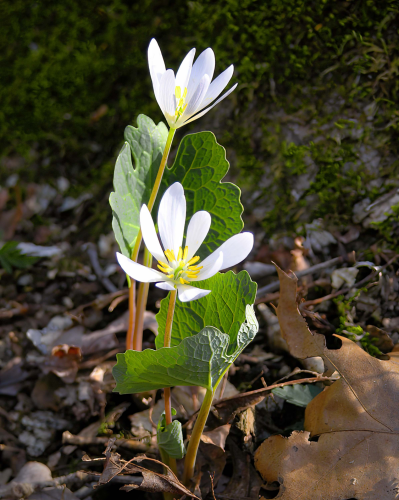
bloodroot (Sanguinaria canadensis)
Right now, a high-speed race is unfolding across the forest floor. Before the buckeyes and maples fully leaf out and block the sun, our spring ephemerals are seizing their moment.
From the iconic great white trillium (Trillium grandiflorum) to the aptly named spring beauties (Claytonia virginica), these plants are essential. They spend nearly the entire year dormant underground, emerging for just a few weeks to provide the season’s first critical food for native pollinators waking up from winter. Right now, a high-speed race is unfolding across the forest floor. Before the buckeyes and maples fully leaf out and block the sun, our spring ephemerals are seizing their moment.
From the iconic great white trillium (Trillium grandiflorum) to the aptly named spring beauties (Claytonia virginica), these plants are essential. They spend nearly the entire year dormant underground, emerging for just a few weeks to provide the season’s first critical food for native pollinators waking up from winter.Right now, a high-speed race is unfolding across the forest floor. Before the buckeyes and maples fully leaf out and block the sun, our spring ephemerals are seizing their moment.
From the iconic great white trillium (Trillium grandiflorum) to the aptly named spring beauties (Claytonia virginica), these plants are essential. They spend nearly the entire year dormant underground, emerging for just a few weeks to provide the season’s first critical food for native pollinators waking up from winter. Right now, a high-speed race is unfolding across the forest floor. Before the buckeyes and maples fully leaf out and block the sun, our spring ephemerals are seizing their moment.
From the iconic great white trillium (Trillium grandiflorum) to the aptly named spring beauties (Claytonia virginica), these plants are essential. They spend nearly the entire year dormant underground, emerging for just a few weeks to provide the season’s first critical food for native pollinators waking up from winter.