Using Recycled Paper for Sustainable Projects
Incorporating recycled paper into various projects is a simple and environmentally friendly approach to minimizing waste and fostering sustainability. By reusing paper, you contribute to the conservation of natural resources while decreasing the energy use and greenhouse gas emissions linked to the production of new paper and recycling processes. Here are three project ideas that we hope ignite your creativity and inspire innovative designs and techniques that emphasize the significance of eco-conscious choices!
© Life of Glow
SEED BOMBS
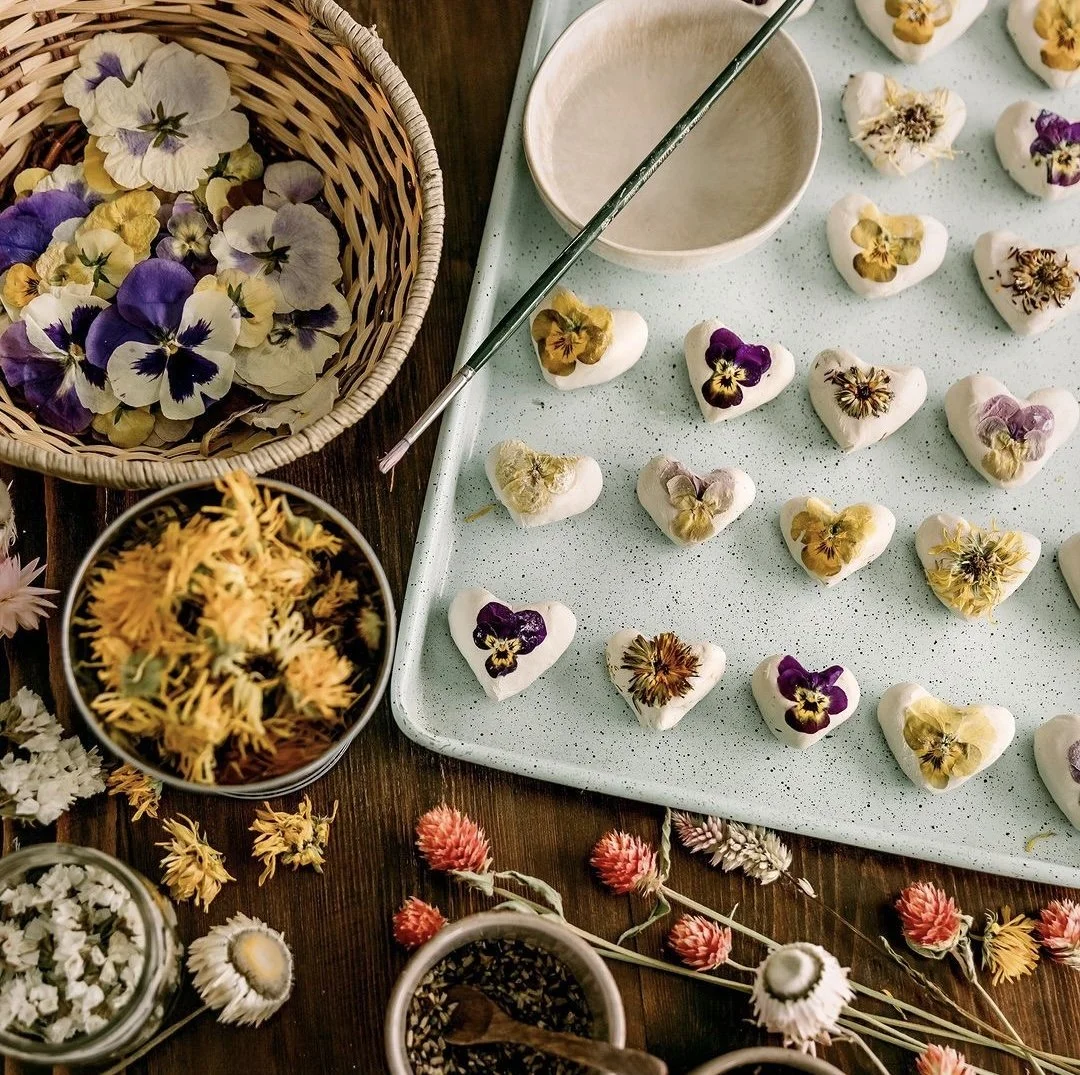
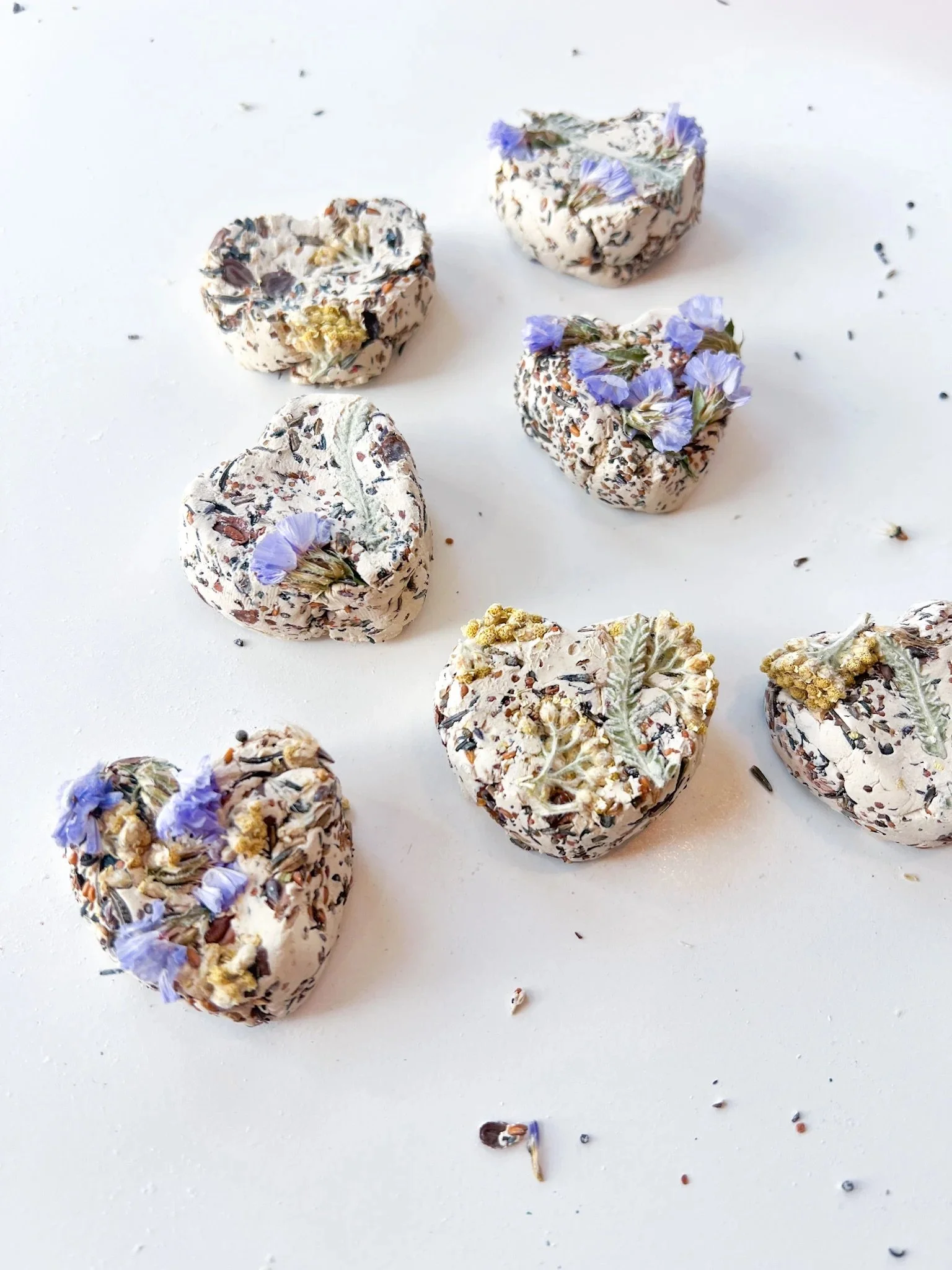
Seed bombs using recycled paper can be made with a few simple materials: paper, water, and seeds! For a creative touch, you can shape the bombs into fun forms, and incorporate dried flowers. These make wonderful gifts and are a beautiful way to share a passion for native wildflower seeds.
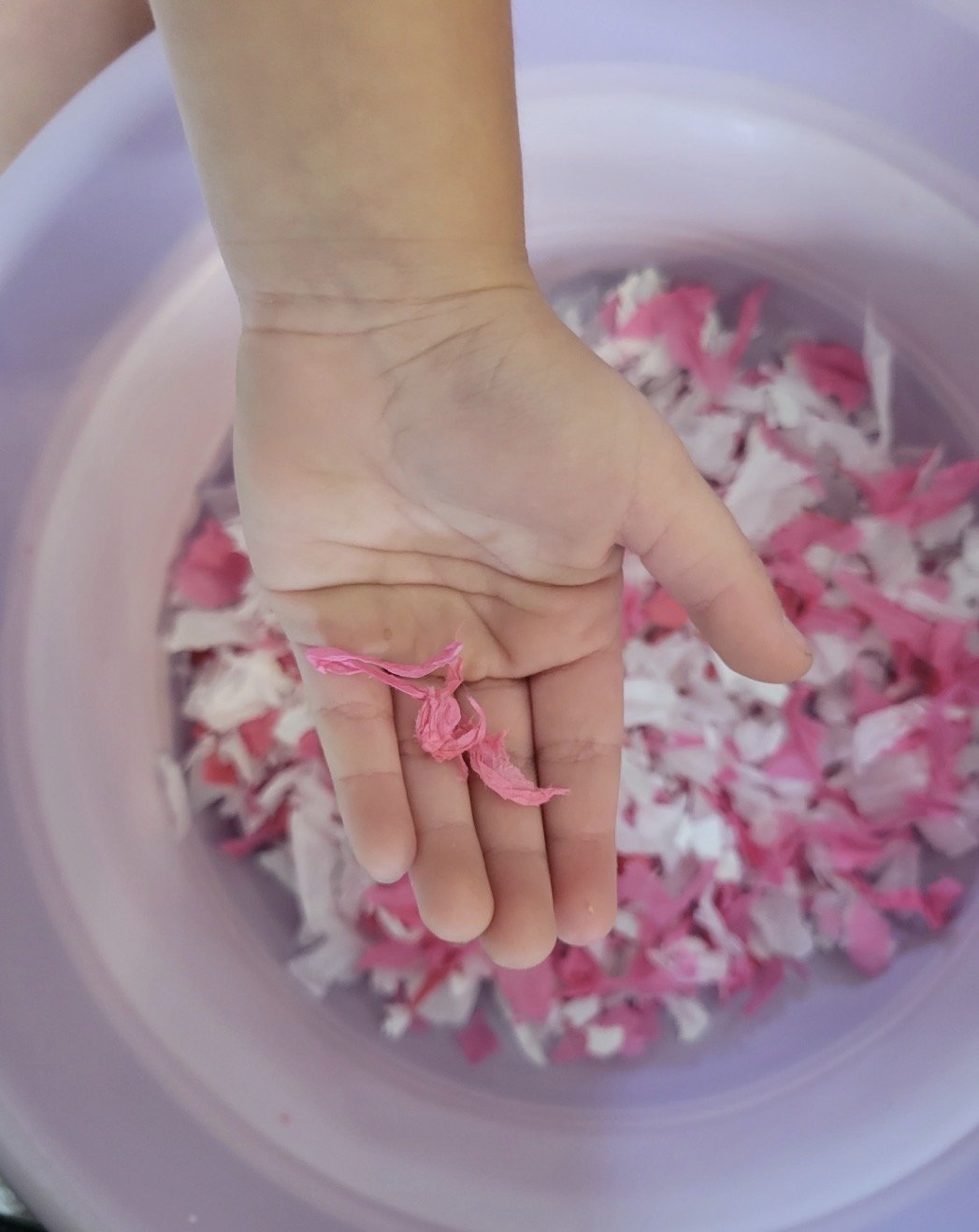
Step One: Shred your paper material into fine pieces (with a cross cut shredder, or scissors/ tearing methods).
Step Two: Soak the paper overnight in enough water to cover all of your paper material.
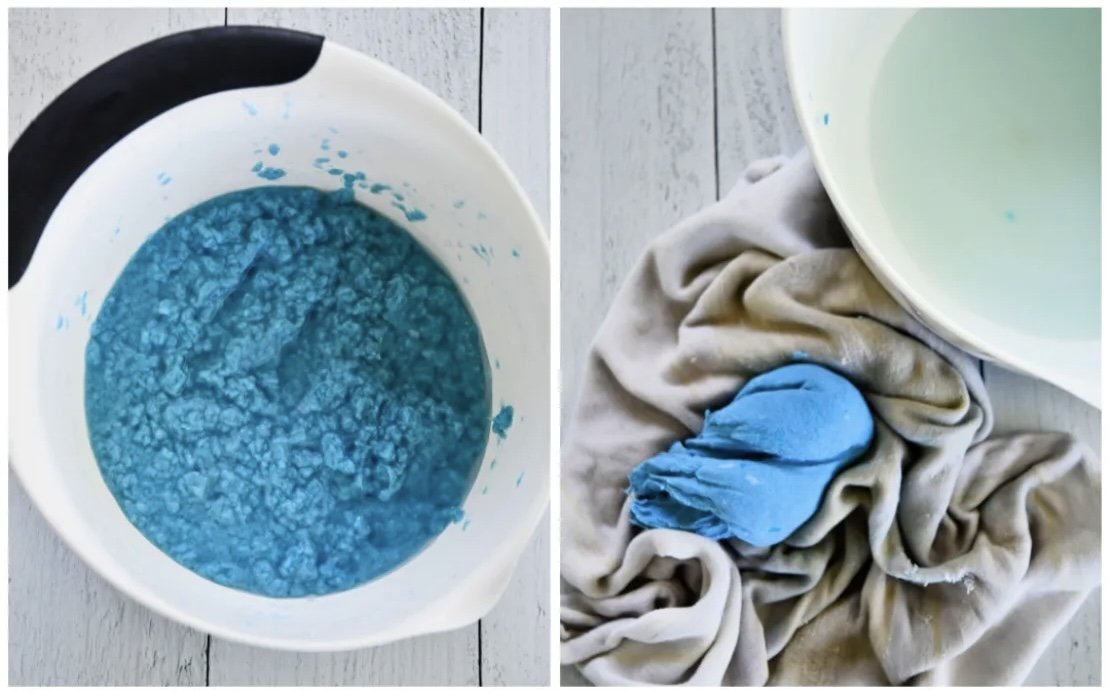
Step Three: Blend your soaked paper with a little bit of your soaking water till the material becomes a pulp-like consistency (if desired you can add all natural dyes to this stage for color, such as beet powder, turmeric, blue spirulina etc).
Step Four: Squeeze the paper pulp in the middle of a cheese cloth, or a towel to release excess water till you’re left with moldable pulp.
Step Five: Gently mix your native wildflower seeds into your pulp. Some recipes call for making a flat circle of pulp, adding a dollop of soil and seeds in the middle of the circle, and then molding/ folding the pulp around the soil into a ball. However you can just mix the seeds straight into the pulp if you wish.
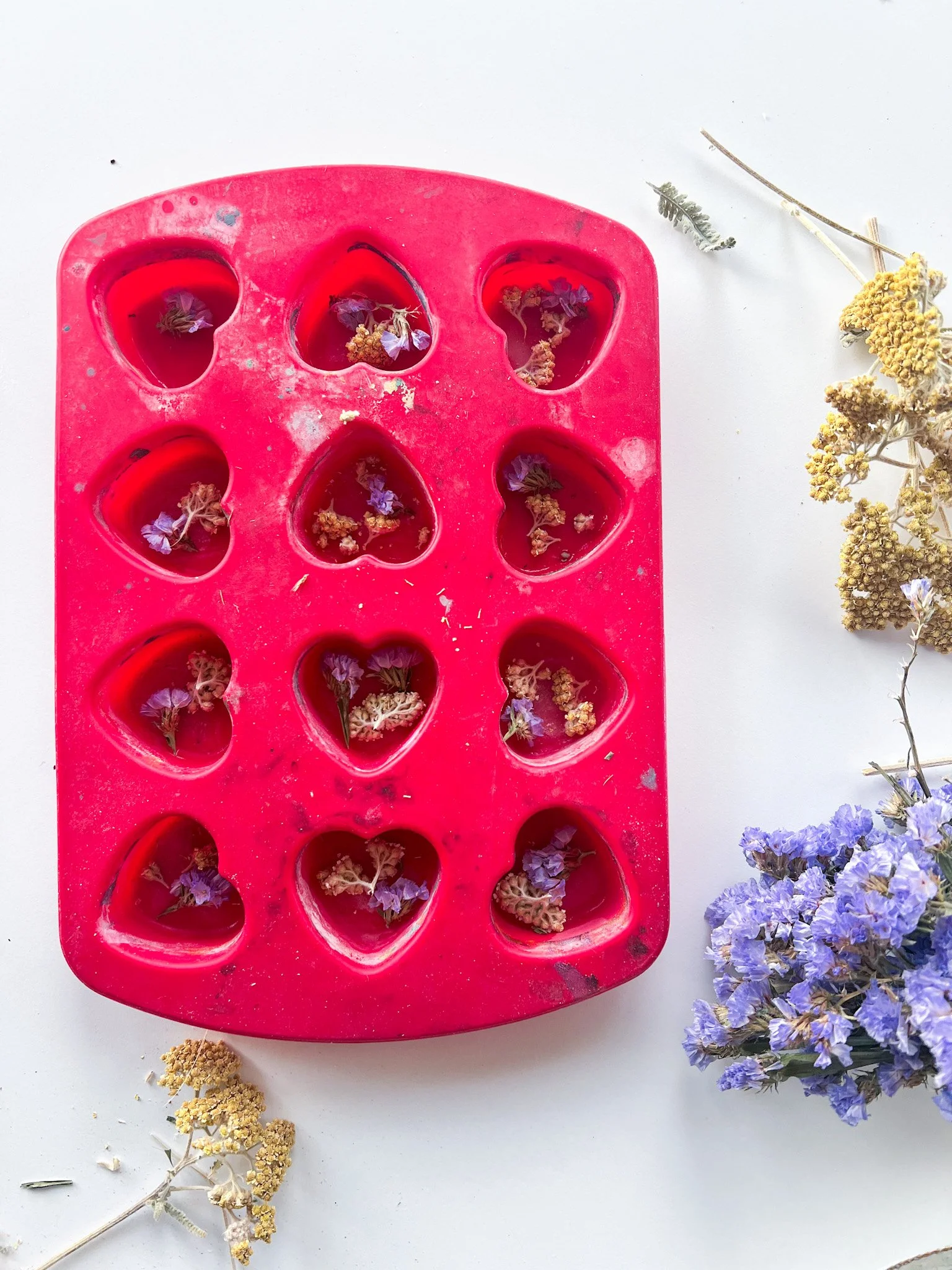
Step Six: Mold the pulp into your desired shapes! * Tip: you can use silicone molds, or cookie cutters for making detailed shapes. To use cookie cutters apply the pulp into the center of the cutter and push the pulp flat/ into the walls of the shape.
Step Seven (optional): Add dried flowers to the tops of your bombs for added beauty and design, or a droplet of diluted essential oil such as lavender, or rose.
Step Eight: Let bombs completely dry for 24 -72 hrs before gifting or planting!
© The Barefoot Mom, A Farm to Keep
GROUND COVER
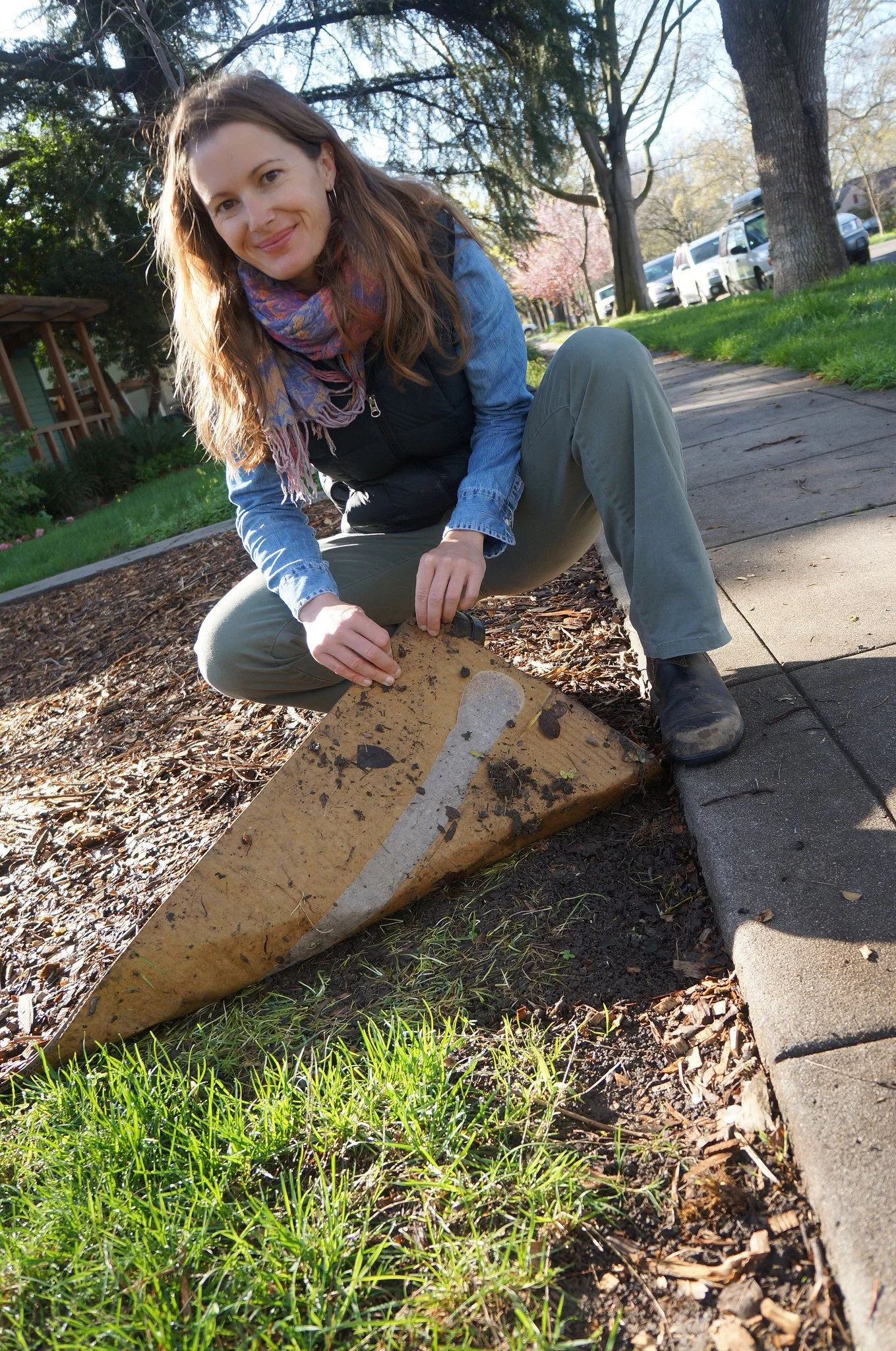
Recycled paper can be used in the garden as a weed barrier and is an effective, biodegradable, and free/cheap alternative to synthetic landscape fabric. Layer your paper 2-3 sheets thick over moist soil, overlap edges by at least 6 inches to prevent weeds from sneaking through, and top with 2-3 inches of organic mulch or soil to hold it down. Additionally, using thicker paper such as cardboard or paper lawn bags you can
create an effective smothering material for preparing grassy or heavily weeded areas to establish new garden beds.
© UC Davis Arboretum
PAPIER-MÂCHÉ
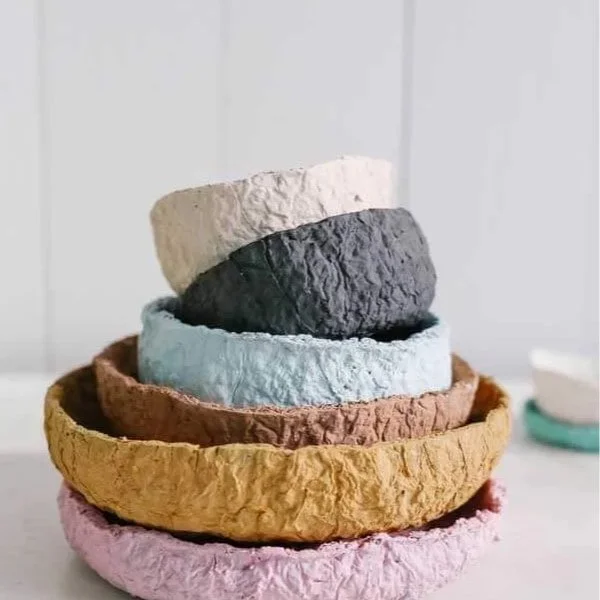
Papier-mâché is an eco-friendly craft using recycled paper and all natural paste to create durable art, decor, or sculptures. This versatile medium can be molded into countless shapes and forms, allowing for endless creativity. All natural paste is often made up of water, flour (cooked or raw), and salt. The ratios can vary greatly depending on the artist/ recipe- although a good rule of thumb is creating a runny “pancake batter” like consistency. Cooked paste results in a clear finish, while raw paste often adds a bit more strength and weight to the finished piece. When starting a project determine if you’ll need a permanent form or a structural form. A permanent form will be something you construct around and is never removed (*tip using compressed plastic bags for a permanent form is another great sustainable practice), whereas a structural form would be something that is removed after the fact and used to help hold shape during the drying process. Once your piece is fully constructed let it dry completely for 24-48hrs before decorating with paint, or other materials!
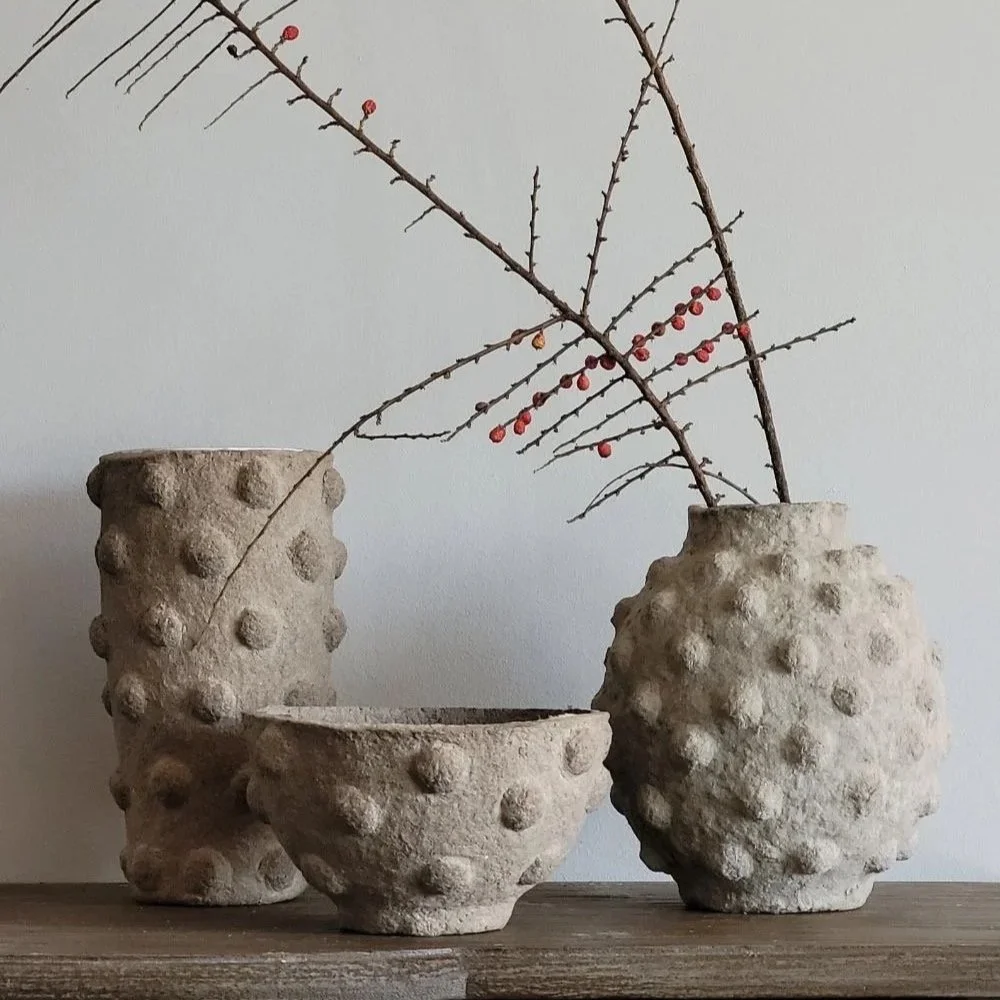
© Home is Where the Boat is, Nature’s Fare, Paper Vivian Art