Racing the Shade: Ohio’s Spring Ephemerals
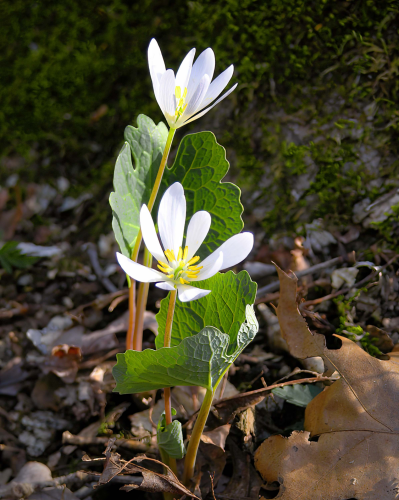
bloodroot (Sanguinaria canadensis)
In the transition between winter’s end and the full shade of summer, a subtle magic spreads across the forest floor. Before the oaks and maples fully leaf out and claim the sunlight, our spring ephemerals are answering a call.
These plants are masters of timing. They spend nearly the entire year dormant underground, emerging for just a few weeks to soak up the fleeting spring sun and provide the season’s first critical nectar for native pollinators. It isn't a race, but rather a perfectly choreographed dance with the changing light.
The Silent Partners: Bees and Ants
There is a profound "special relationship" at work here that most hikers never see. While we often think of bees as the primary helpers for flowers, many of our woodland species rely on a "ground crew" of ants.
The Pollinators: Early-season insects like the Spring Beauty Mining Bee (Andrena erigeniae) and bumblebees visit these blooms for life-saving nectar. In exchange, they move pollen from flower to flower.
The Dispersers: This is where the ants come in. Many ephemeral seeds have a fatty, protein-rich attachment called an elaiosome. Ants carry these seeds back to their underground nests to feed their larvae. Once the "treat" is eaten, the unharmed seed is tossed into the colony’s "trash pile"—a nutrient-rich, protected compost bin perfect for a new flower to sprout. This process is called myrmecochory.
Meet the Season's First Arrivals
As you walk our local trails, keep an eye out for these essential members of our ecosystem:
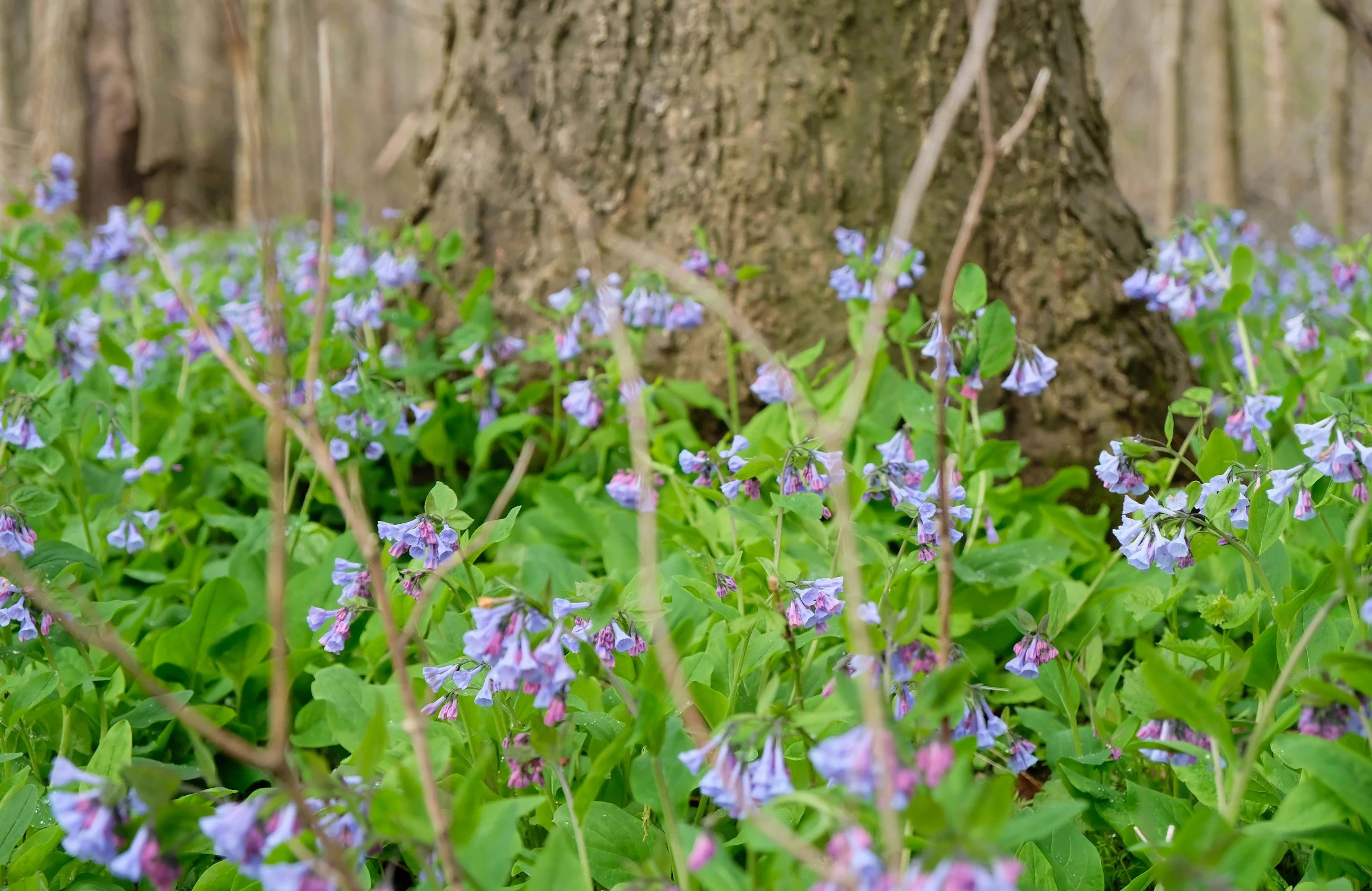
Virginia Bluebells (Mertensia virginica): Often found in the damp soils along our Licking County floodplains, their buds begin as a soft pink before opening into brilliant sky-blue bells.
Common Blue Violets (Viola sororia): These are far more than "lawn weeds." They are the exclusive host plant for Fritillary butterflies, providing a home for the next generation of pollinators.
Great White Trillium (Trillium grandiflorum): As Ohio’s state wildflower, the trillium is an icon of our mature forests. Because they grow so slowly—often taking years to reach flowering age—protecting their habitat is vital.
Yellow Trout Lily (Erythronium americanum): Look for their mottled leaves, which resemble the skin of a trout. A colony of trout lilies can be decades, or even centuries, old.
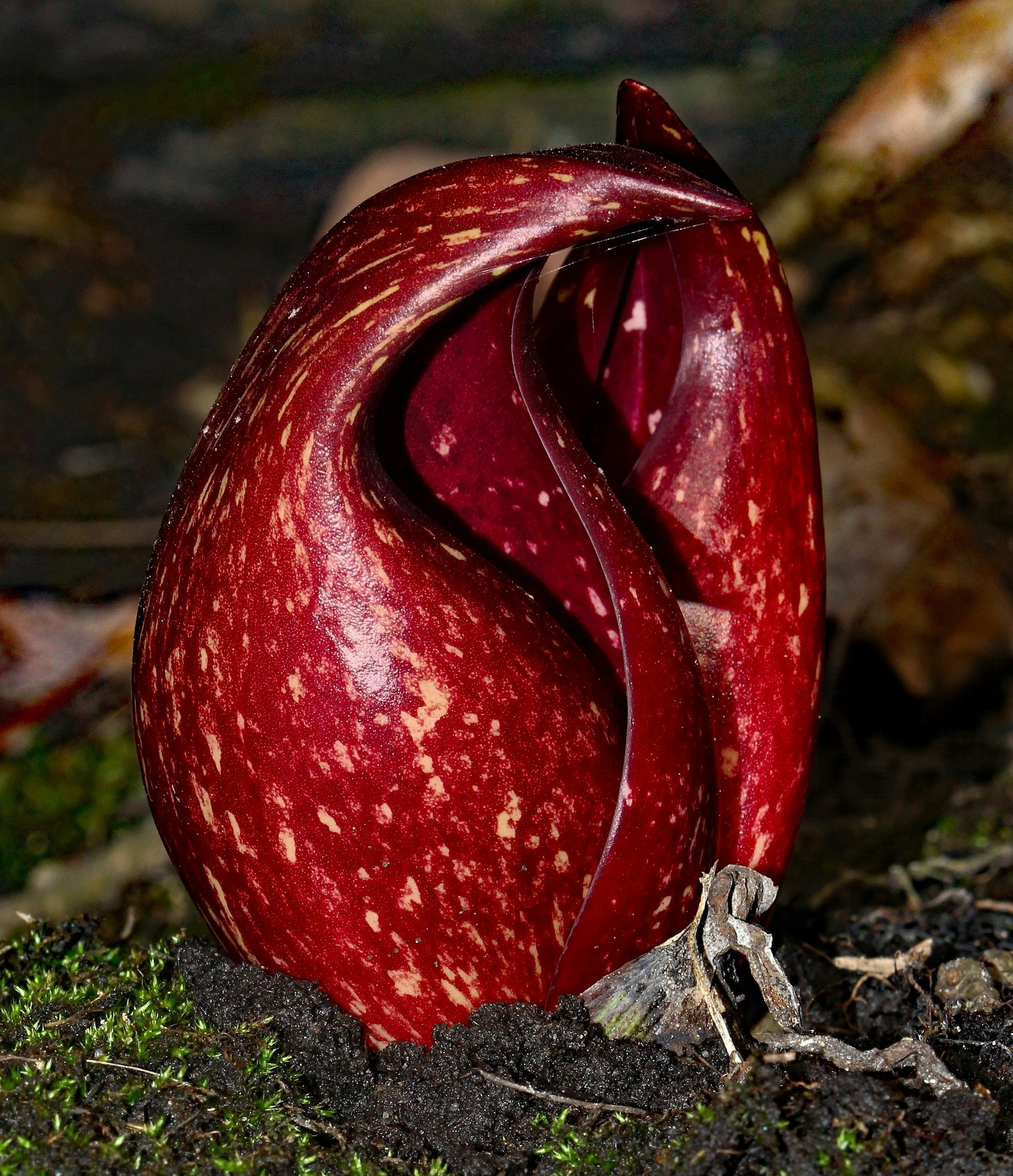
Eastern skunk cabbage (Symplocarpus foetidus)
How to Observe Mindfully
The beauty of ephemerals is their fragility. As you visit places like The Dawes Arboretum, Taft Reserve, or our own protected lands, please remember:
Stay on the Trail: Stepping off-path can compact the soil and crush dormant bulbs that won't emerge for another year.
Leave the Leaves: Ants and overwintering pollinators need leaf litter to survive. Keeping "soft landings" under your trees at home protects the entire ecosystem.
Take Only Photos: Picking a wildflower often prevents it from seeding, which can set a colony back for years.
The window to see these flowers is brief, but the impact they have on our environment lasts all year. We invite you to step outside this week and witness this quiet transition for yourself.
Caring for Our Shared Landscape
Local Stewardship & Organizations
Licking County Pollinator Pathway: A grassroots initiative connecting habitat in our county. Check their "Meadows for Monarchs" and "Seed Library" programs.
Licking Soil & Water Conservation District (SWCD): Your local hub for technical advice, soil health, and annual native tree and shrub sales.
OSU Extension: Licking County Master Gardeners: A community of trained volunteers providing science-based gardening support and hosting the premier local spring plant sale.
Licking Land Trust: Dedicated to the permanent protection of the central Ohio green spaces where these delicate ecosystems thrive.
The Dawes Arboretum: A world-class arboretum in Newark, OH, featuring protected woodlands, spring "Pop-Up" wildflower exhibits, and a "What’s in Bloom" tracker.
Identification & Science
ODNR Spring Wildflower Checklist (PDF): A comprehensive, color-coded printable guide from the Ohio Department of Natural Resources to take on your hikes.
The Xerces Society: Pollen Specialist Bees: Information on the specific, often rare, native bees that rely on early spring blooms to survive.
iNaturalist: A community science tool where you can upload photos of the flowers you find to help scientists track bloom times in Licking County.
Garden & Habitat Guides
Licking County Landscaping Guide: An "at-a-glance" guide to native trees, shrubs, and flowers specifically for our region.
NWN Native Plant Finder: Search by your specific zip code to see which plants support the highest number of butterflies and moths in your neighborhood.