Vernal Pools: More Than Just a Puddle
Right now, in the corners of the woods and wetlands of Licking County, a transformation is taking place. As snowmelt and spring rains gather in the low points of the landscape, our vernal pools are filling.
These "ephemeral wetlands" are only around for a short window each year, but they are vital hubs of biodiversity. Because they naturally dry up by late summer, they cannot support fish populations. This makes them a unique, fish-free "nursery" where delicate species can grow without the threat of underwater predators.
The Stars of the Pool
If you look closely into these still waters, you’ll find a world that exists nowhere else:
Fairy Shrimp: These tiny, translucent crustaceans are "vernal pool obligates"—meaning they can only survive in these temporary waters. Their eggs can lay dormant in dry soil for years, waiting for the exact moment the pool refills to hatch.
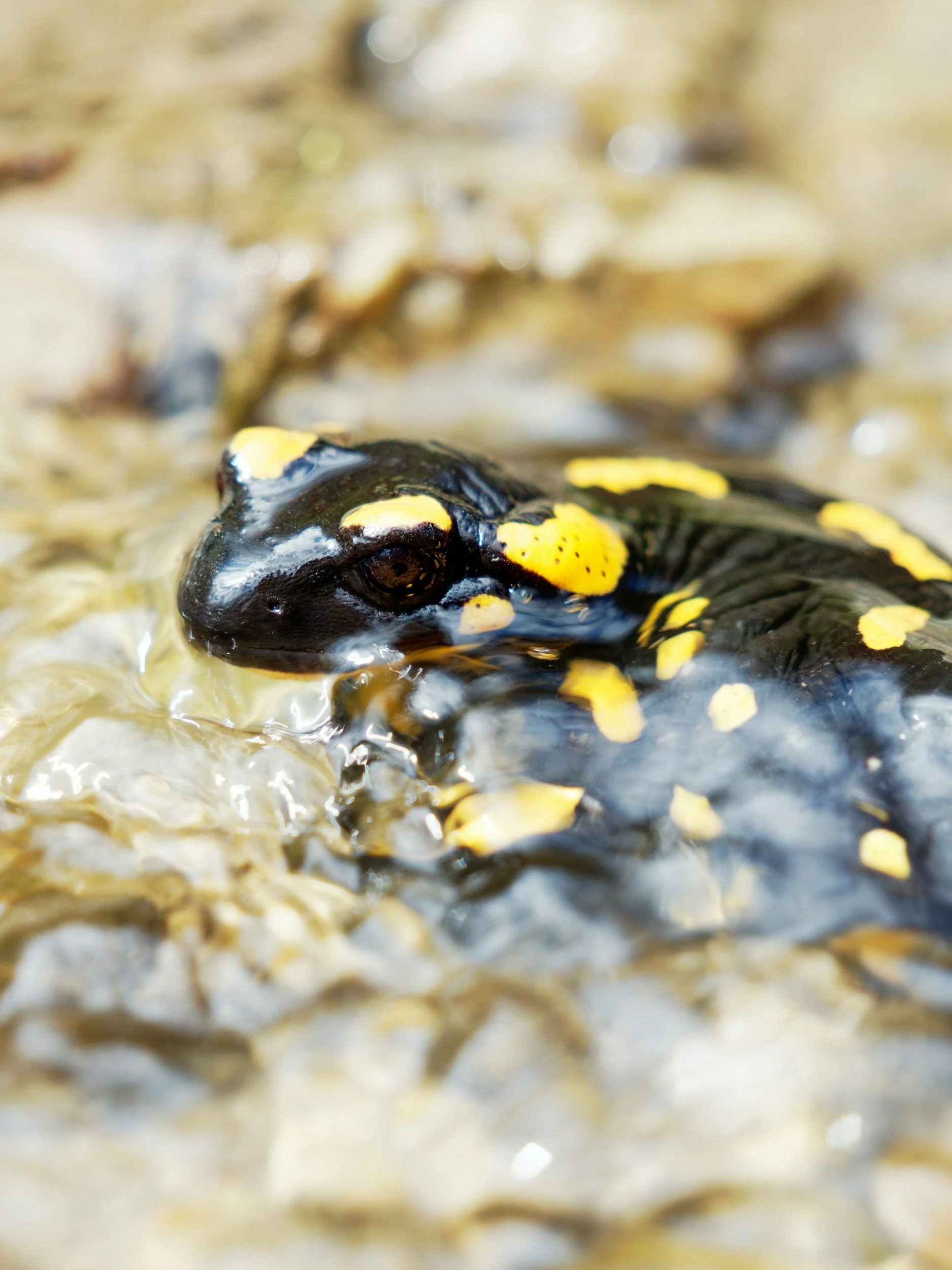
Spotted Salamanders: These striking black-and-yellow amphibians spend most of the year underground. On the first warm, rainy nights of spring, they migrate to vernal pools to lay their eggs in gelatinous clumps.
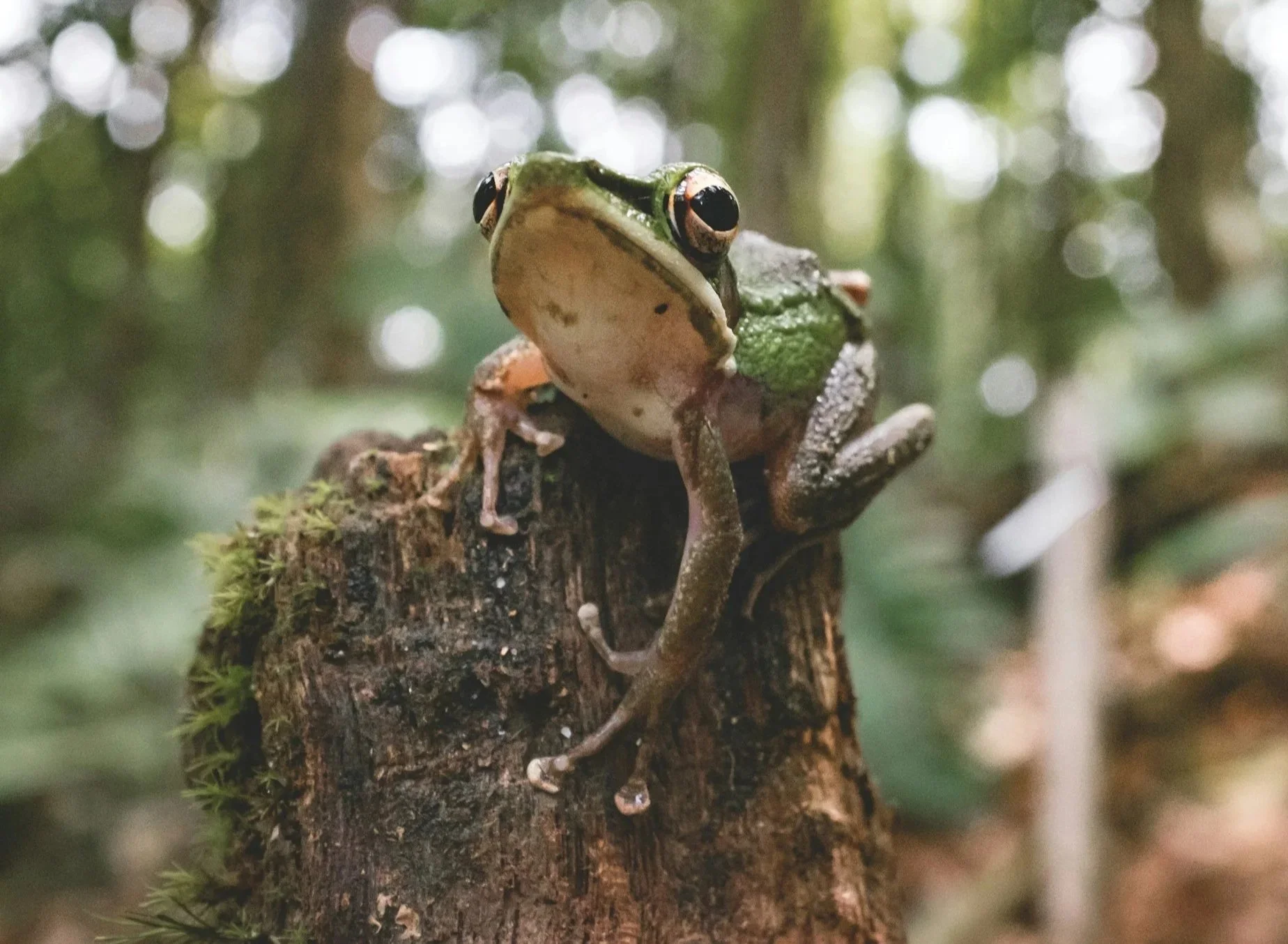
Wood Frogs: Listen for a sound like ducks quacking in the woods. These frogs are often the first to arrive, sometimes even while ice still clings to the edges of the pool.
Without the protection of the surrounding forest canopy to provide shade and leaf litter, and undisturbed soil to allow for migration, these high-energy hubs would simply vanish.
Where to Experience Vernal Pools in Licking County
You don't have to go far to find these seasonal wonders. Several of our local public lands are known for their healthy vernal pool complexes:
Flint Ridge Ancient Quarries & Nature Preserve: Beyond the fascinating history of the flint quarries, this preserve contains beautiful woodland pools. They are even hosting a Vernal Pool Exploration event on April 4th.
The Dawes Arboretum: The Cypress Swamp and the wooded trails near the Dutch Fork wetlands offer excellent viewing opportunities for early spring amphibian activity.
Gahanna Woods State Nature Preserve: Just a short drive west, this site protects what many consider the best complex of buttonbush swamps and vernal pools in Central Ohio.
Licking Park District: Keep an eye on the low-lying wooded areas at Infirmary Mound Park or Taft Reserve after a heavy spring rain.
Community Resources
Vernal pools are incredibly sensitive to changes in the landscape. Here’s how you can learn more and help protect them:
1. Ohio Vernal Pool Network
A collaborative effort by the Ohio Wetlands Association, the Ohio Vernal Pool Network offers workshops (like "Vernal Poolooza") and field guides to help citizens identify and monitor pools on their own property.
2. Licking Soil & Water Conservation District (SWCD)
The Licking SWCD provides technical assistance for landowners. If you think you have a vernal pool on your property, they can help you understand how to manage your woodlot to protect the water quality and the "life zone" surrounding the pool.
How to Visit Safely
Vernal pools are look-but-don't-touch environments.
Don't Wade In: Even small amounts of lotion, bug spray, or soap on your skin can be toxic to thin-skinned salamanders and frogs.
Watch the "Life Zone": The area within 100 feet of the water is where most of these creatures spend their time when they aren't in the pool. Tread lightly to avoid crushing their tunnels.
Leave the Logs: Many amphibians hide under rotting logs near the water. If you flip one over to look, always gently roll it back exactly as you found it.