
Invasive Spotlight: Carp
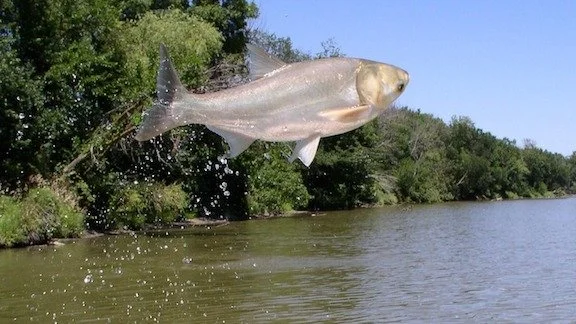
Silver carp, Photographer: Duane Chapman USGS
The Story of Invasive Carp and the Fight to Protect Ohio Waters
Our Midwest waterways are facing an aggressive threat. Across rivers, streams, and lakes, invasive carp species—specifically silver, bighead, grass, and black carp—are radically altering aquatic habitats. As a community dedicated to preserving the natural beauty and biodiversity of the Licking County area, it’s vital to understand how these fish got here, the massive toll they take on our ecosystem, and how local community actions and state agencies are fighting back.
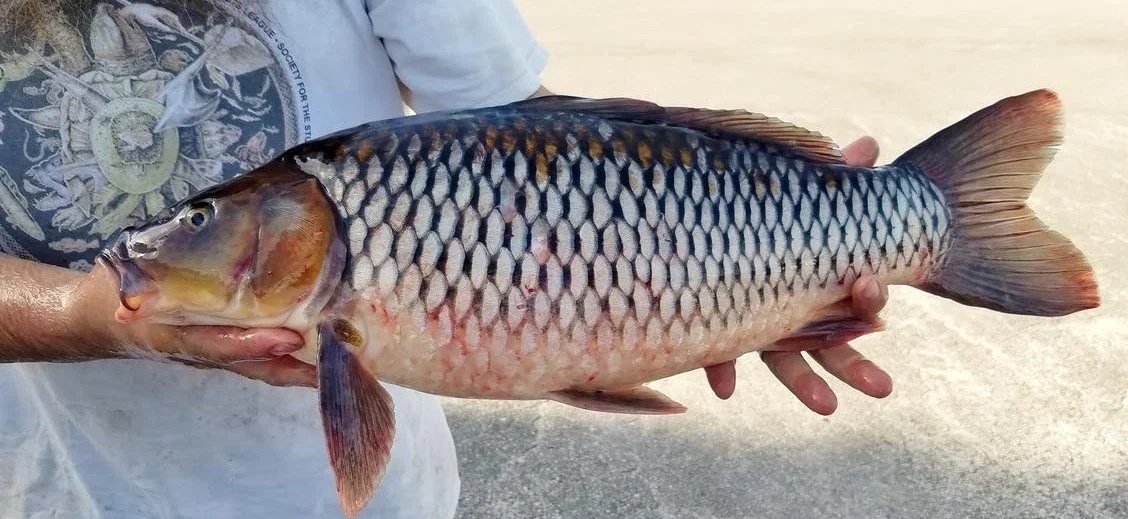
Common carp
Photographer: Kaitlin Kovacs, U.S. Geological Survey
From Biological Tools to Accidental Escape
The introduction of invasive carp into the United States is a classic tale of unintended consequences. Back in the 1960s and 1970s, these species were brought over from East Asia to the American South to serve as chemical-free biological tools. Private aquaculture pond owners and wastewater treatment plants utilized them to naturally clean up algae, weed growth, and parasites.
But nature had other plans. During major flooding events over the following decades, containment ponds overflowed right into streams and rivers connected to the Mississippi River Basin. Thanks to their fast reproduction rates and highly adaptive natures, the carp quickly hitched a ride northward. They’ve since established massive populations throughout the Midwest and continue to push dangerously close to major freshwater systems like the Great Lakes.
A Wrecking Ball to the Aquatic Ecosystem
Once they move into a body of water, invasive carp act like an ecological wrecking ball, upending the environment in a few major ways:
Starving Out Native Species: Bighead and silver carp are voracious filter feeders that vacuum up massive quantities of plankton daily. Since plankton is the foundational base of the aquatic food web, these invaders literally starve out native larval fish, freshwater mussels, and native sport fish by stealing their dinner.
Destroying Critical Habitats: Grass carp feed heavily on underwater vegetation. By stripping a lake or river bed of its plants, they eliminate the critical spawning grounds and nurseries that native game fish rely on, while also causing bank erosion and muddying the water.
Safety and Economic Hazards: If you've ever seen videos of fish leaping wildly into the air, you’ve seen silver carp. They are incredibly sensitive to boat motors and can rocket up to 10 feet out of the water when startled. This creates a real physical hazard for boaters, tubing kids, and jet-skiers, which can really hurt local lake economies.
High-Tech Management and the Buckeye Lake Roundup
Because these species present an ongoing threat, wildlife managers are fighting back with everything from high-tech defenses to grassroots community action.
On state and federal levels, wildlife officials focus heavily on early detection. This includes mapping the movement of fish in the Ohio River basin using environmental DNA (eDNA) sampling—which catches genetic material the fish leave behind in the water—alongside targeted netting and electrofishing. In high-stakes areas like the Chicago Shipping Canal, they even use multi-tiered deterrents like electric barriers, acoustic sound systems, bubble curtains, and water cannons to stop the fish in their tracks.
Right here in our watershed, local communities are stepping up with some old-fashioned teamwork. A primary local effort is the annual Buckeye Lake Carp Roundup. This sportsman-driven event invites bowfishers and anglers to remove as many invasive carp from Buckeye Lake as possible. Events like this roundup do a world of good: they immediately take the pressure off the lake's native plants and animals by removing thousands of pounds of destructive fish, and they get the community talking about how to protect our local waters.
Mistaken Identity: Native Look-Alikes vs. Invasive Carp
One of the trickiest parts of controlling these invaders is that everyday anglers often confuse them with harmless, native fish. Learning to tell them apart ensures we protect our native biodiversity while aggressively removing the real bad guys. Two native groups are most commonly misidentified:
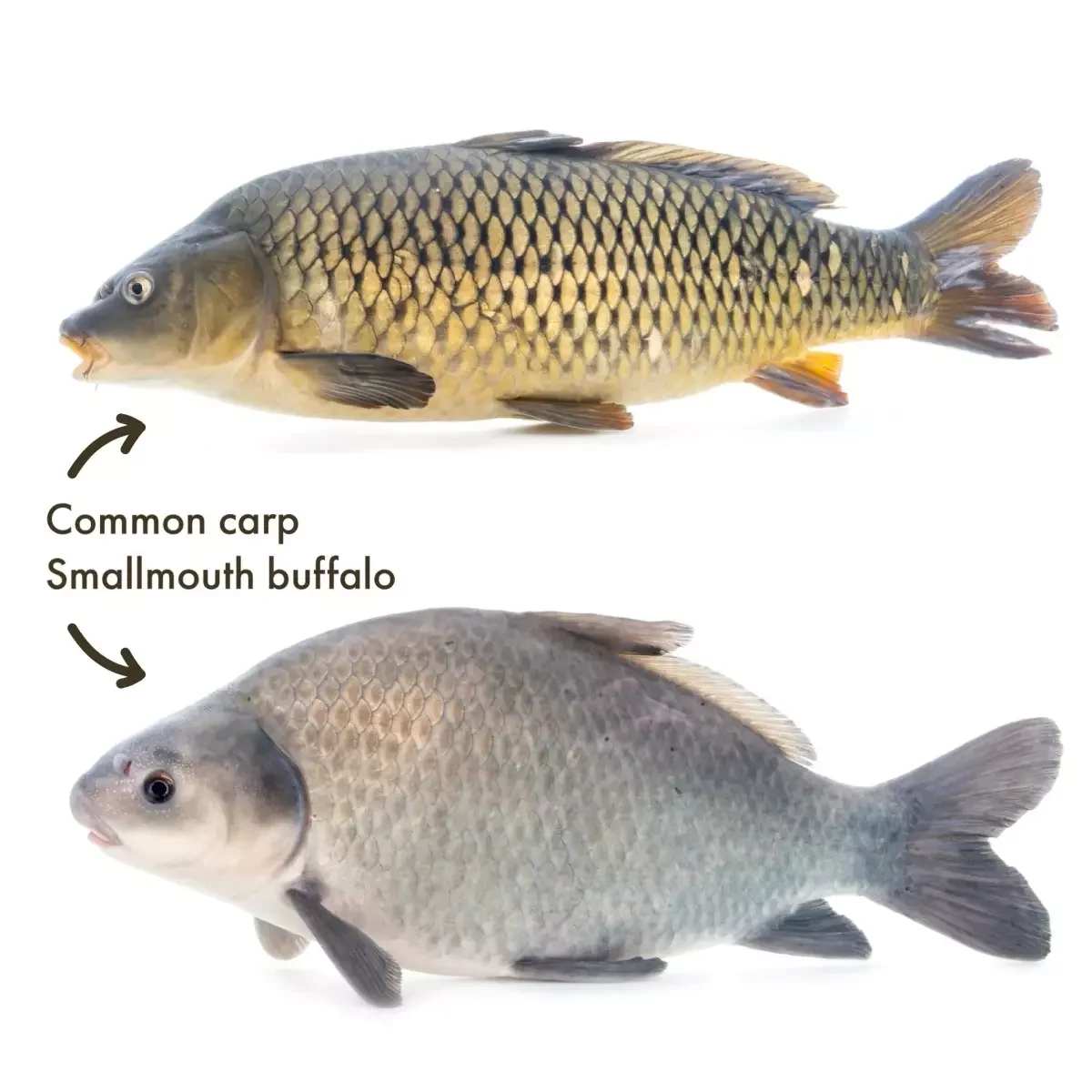
Photographer: Sam Stukel/USFWS
1. Buffalo (Native) vs. Common Carp (Invasive)
The Look-Alikes: Native fish like the Bigmouth Buffalo or Smallmouth Buffalo are frequently targeted by mistake because they are large, heavy-bodied bottom-feeders.
How to tell the difference: Look closely at the mouth. Invasive common carp have distinct, fleshy barbels (whisker-like feelers) at the corners of their mouths; native suckers and buffalo fish don't have these at all. Also, native buffalo fish have a smooth, curved dorsal fin, while common carp have a long, stiff spine at the front of theirs.
2. Gizzard Shad (Native) vs. Juvenile Silver/Bighead Carp (Invasive)
The Look-Alikes: Anglers catching live bait often confuse native Gizzard Shad with young, juvenile invasive carp.
How to tell the difference: Check out the eyes and the fins. Invasive silver and bighead carp have eyes that sit incredibly low on their heads—actually below the centerline of the mouth, making them look upside down. Native shad have eyes high up on the head, well above the mouth. Plus, native shad have a long, trailing thread-like filament at the back of their top fin, which invasive carp lack.
How You Can Help
As stewards of our local environment, we can all play a part. You can help protect Ohio’s beautiful waterways by learning to identify these species correctly, reporting suspected sightings to local wildlife agencies, thoroughly cleaning and draining your boats and gear between trips, and supporting local events like the Buckeye Lake Carp Roundup.
Resources & Further Reading
Want to learn more about the fight against invasive carp, brush up on your fish identification skills, or get involved locally? Check out the following resources:
Local Community Action: Learn more about the schedule, registration, and boundary maps for our local volunteer removal efforts at the Buckeye Lake Carp Roundup Event Page.
Ohio Identification Guide: If you aren't sure if what you caught is an invader or a native look-alike, review the ODNR Aquatic Invasive Species: Invasive Carp Profile for downloadable visual baitfish guides and state tactical plans.
Reporting Sightings: If you catch or spot a suspected invasive carp in local inland waters, do not return it to the water. Take a clear photo of the fish laid flat and report it directly using the Ohio DNR Division of Wildlife AIS Reporting Form.
Federal Tracking & Science: Read about the large-scale tracking, electrofishing, and radio-telemetry programs currently being managed in our nearby river basins by visiting the U.S. Fish & Wildlife Service Early Detection Monitoring Overview.
Continental Overview: For a broader look at how these four species affect both the ecology and local economies across the entire continent, check out the NAISMA Invasive Carp in North America Impact Report.
Educational Video: https://youtu.be/7lTLZCMD5fU?si=JWmWCpeuJmnp2TBv