
Native Spotlight: Rock Harlequin
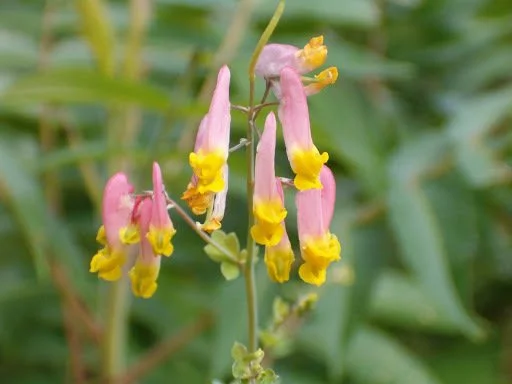
Photographer: Judith Lopez Sikora
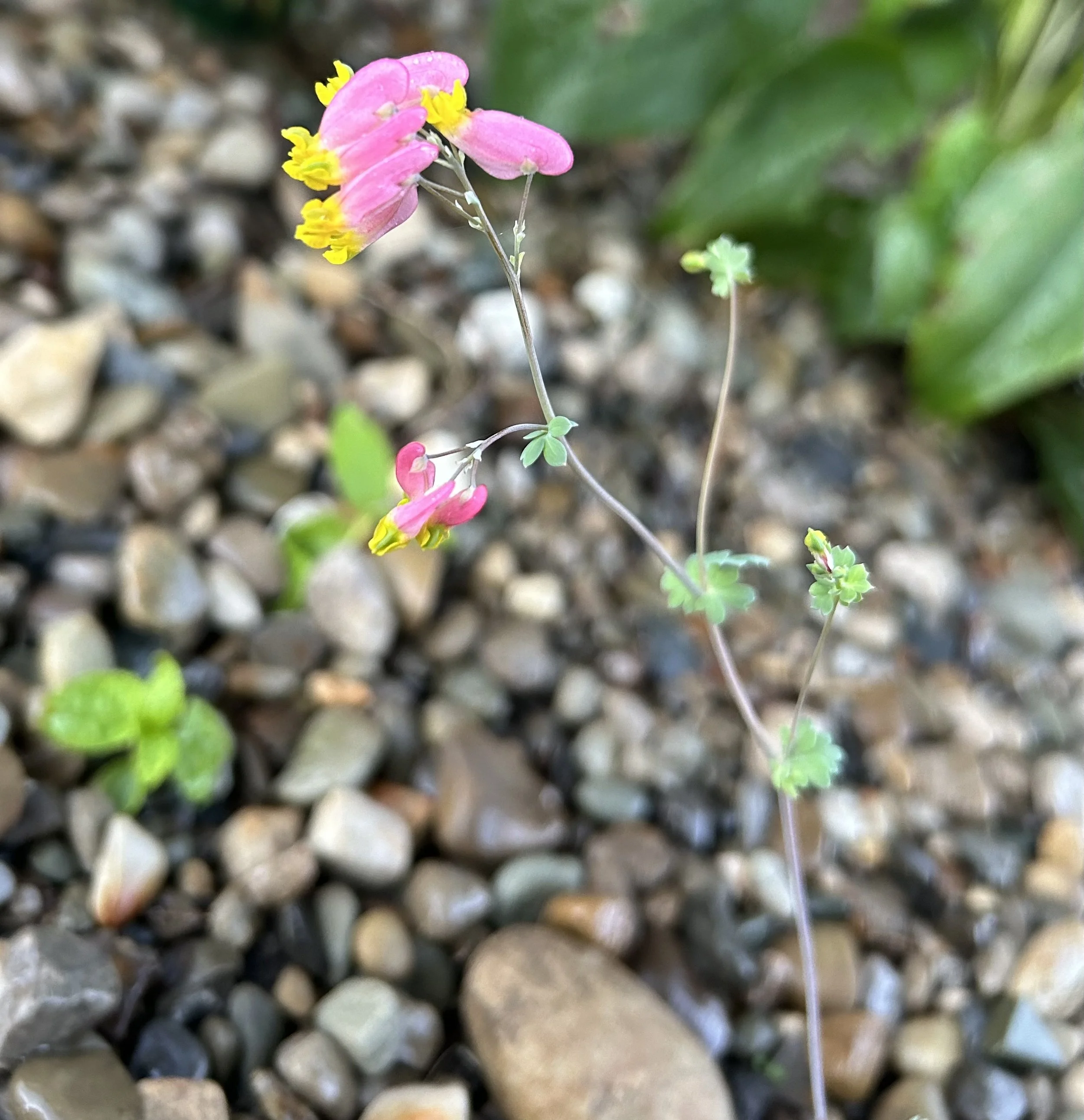
This delicate native plant displays tubular flowers that can range from light to dark pink, with bright yellow tips and greenish-blue leaves - making it a real stand out in the garden! True to its name, this plant thrives in rocky, shallow-soil environments, as its root systems help stabilize poor, disturbed soils. Additionally, its charming flowers provide vital nectar for long-tongued creatures. Rock harlequin also serves an important ecological function as a resilient pioneer species following wildfires and other environmental disturbances.
Commonly referred to as Tall or Pink Corydalis and scientifically known as Capnoides sempervirens, Rock harlequin belongs to the Fumitory family, sharing similarities with the native Dutchman’s Breeches and Bleeding Heart. Currently listed as endangered or threatened in several states, this plant can be an ideal addition to your garden or property.
Is corydalis a perennial or an annual?
This question is debatable and it depends entirely on the specific species. This diverse genus contains over 500 varieties, which fall into several categories. Native varieties such as Capnoides sempervirens are often biennial plants, meaning it completes its life cycle over two years. The first year is for vegetative growth (leaves and roots), and the second year is for flowering, and seeding. If your plant is able to reseed itself this will allow you to still see it come back year after year, but not as a true returning perennial from the exact same root.
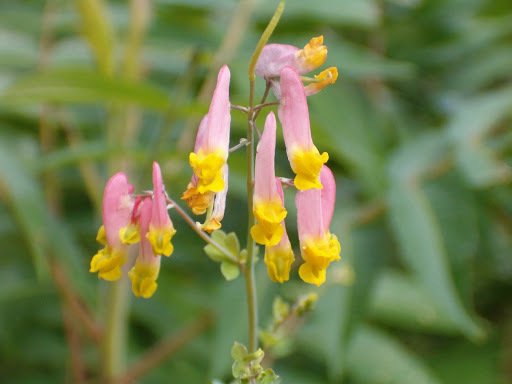
Photographer: Nancy J. Ondre
Key factors:
Pollinator Support: The tubular flowers produce ample nectar that attracts essential pollinators like bumblebees, skipper butterflies, and hummingbirds.
Soil Help: Its root systems contribute to soil binding in loose, gravelly or sandy sites, as well as reduce surface wind and water erosion. Foliage above ground forming in helpful clumps also shields exposed topsoil during rain storms.
Wildlife Forage: The plant produces narrow seed pods that serve as a foraging food source for local birds and small mammals.
Fire Adaptation: As a fire-adapted species, its seeds possess remarkable longevity. They can remain dormant in the soil for decades, germinating rapidly after wildfires or logging to help regenerate the ecosystem and prevent barren land.
Resources
Ohio Department of Natural Resources: https://ohiodnr.gov/discover-and-learn/plants-trees/flowering-plants/rock-harlequin
Lady Bird Johnson Wildflower Center: https://www.wildflower.org/plants/result.php?id_plant=COSE5
US Forest Service https://www.fs.usda.gov/database/feis/plants/forb/corsem/all.html
Photographer: Sarah Gray